How a SBA Real Estate Loan Gave Waterstone a Competitive Edge
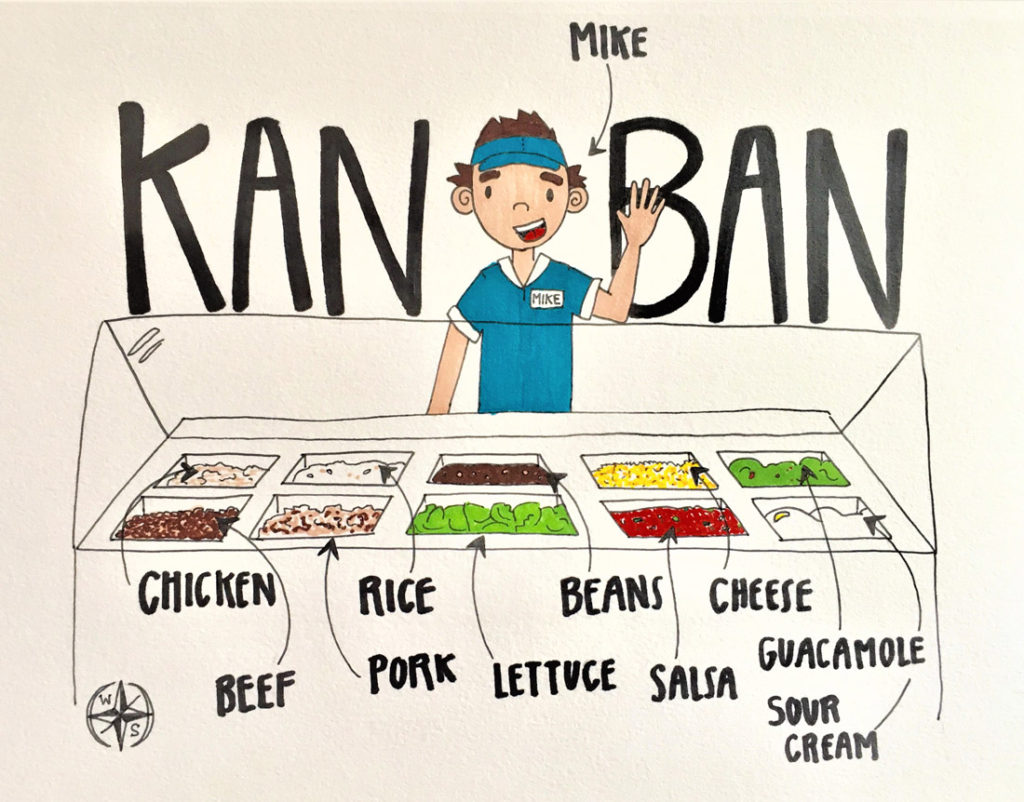
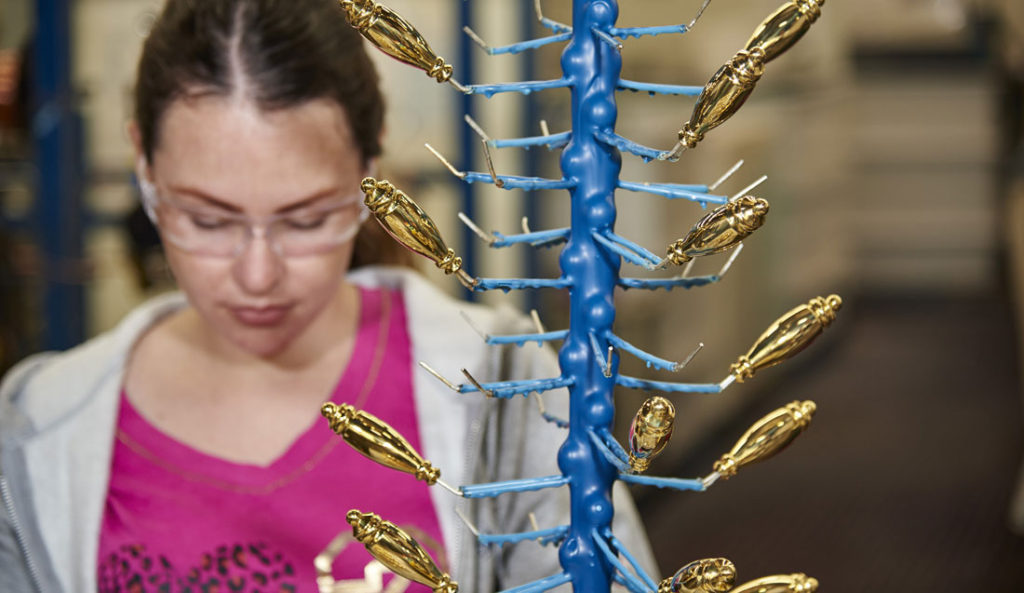
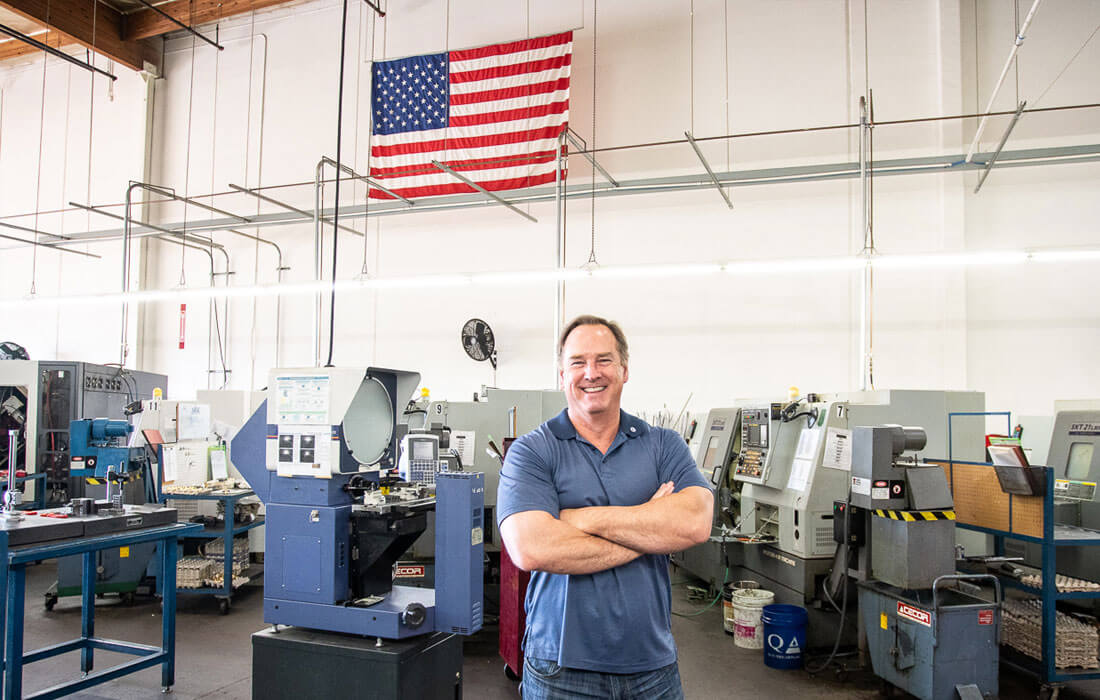
By Lily Rutman In the much-earlier days of Calif.-based company Waterstone Faucets, a banker told founder Chris Kuran something entrepreneurs tend to hear often: You’re probably not going to make it. “I had been told by a bank, ‘You’re under-capitalized… we don’t think you’re going to succeed,” said Kuran, recalling when he tried to get conventional bank financing many years ago. A U.S. Naval Academy grad and Marine Corps veteran, Kuran has never been known to be a quitter. With some help from two SBA loans, he has since grown Waterstone Faucets into a leader in high-end kitchen faucets in the nation, attracting the business of the well-heeled and well-known. The more recent SBA loan was 504 real estate financing provided by CDC Small Business Finance, with the help of senior loan officer Merri Adams. Now in its 20th year in business, the U.S. manufacturer employs more than 140 people, pumping economic activity into their home base of Murrieta, Calif. “We figured out a way to just get it done; we don’t quit,” said Kuran, as he walked among the heavy hum of faucet production at his 42,000-square-foot manufacturing plant on a recent weekday. MAKING THE BEST FAUCETS IN THE WORLD Founded by Kuran in 1999, Waterstone Faucets was at first in the business of selling parts and finished components to large filtration companies that made and sold drinking water systems. After clients asked Waterstone to make small institutional drinking water faucets in custom finishes, that’s when Kuran spotted a niche opportunity. Waterstone pivoted toward the production of top-notch filtration faucets in several finishes, and in 2005, Waterstone added kitchen faucets to its line-up. Since that pivot, Kuran — with business partner and Vice President of Manufacturing Steve Kliewer who joined in 2001 — has been laser-focused on “making the best faucet in the world,” he said. COMMITMENT TO MADE IN THE U.S.A., EXPANSION Today, Kuran is proud of the fact every single faucet is made by machine and hand from start to finish at the Murrieta production plant. “When we started I knew I wanted a product that was made in the U.S.,” Kuran said. Everything from plating to curing to polishing is all done inside the 42,000-square-foot facility, which Kuran purchased in 2014 with an SBA 504 loan through CDC Small Business Finance. (They were originally under a lease agreement with an option to purchase the facility.) Waterstone’s previous digs were significantly smaller, at 13,000 square feet. Why move into a space more than three times the size? Kuran and his team wanted to bring the faucet finishing work in-house, which required more room for machinery and workers. They had previously contracted out the finishing work. So by bringing that function in house, Waterstone was able to control both cost and quality. Demand for Waterstone products has only accelerated since moving to the new space, thanks largely to word-of-mouth referrals from architects and high-end home designers. To meet demand, they’ve since brought on new machinery to increase capacity and switched to a “lean” production system that allows every team member to easily visualize where components are in the production line, which has increased efficiency. In all, they track about 750 components, so the lean system has proven to be invaluable, Kuran said. HOW AN SBA 504 LOAN PAVED THE WAY FOR GROWTH After realizing buying commercial property would be advantageous, Waterstone explored doing so with the help of an SBA 504 loan. It’s financing for real estate and major equipment that comes with a rate that’s fixed and affordable. Perhaps the best part: You only need to put 10 percent down. Getting an SBA 504 loan provided Kuran and his company several benefits including: Savings: His mortgage was less than what he paid in rent. Stable monthly payments: SBA 504 rates are fixed so you know exactly what you’ll owe every month. No surprises. Investing in your future. You are building equity in your own asset. “It was the edge we needed,” Kuran said. “I’m living proof that SBA loans do help small business entrepreneurs get off the ground.” Merri Adams, a senior loan officer at CDC Small Business Finance, helped Waterstone get their SBA 504 loan. “Using the SBA 504 loan program, they purchased the building with 10% down and leveraged a low fixed rate,” Adams said. “The low fixed rate translates into stable monthly payments that do not increase over time, driving increased profitability and stability for companies.” “It’s a labor of love,” Kuran said. HOW CDC HELPED Provided SBA 504 loan to buy 42,000-square-foot building in Murrieta, Calif. Loan provided an affordable, fixed rate for stable monthly payments. Mortgage was less than what the borrower had been paying in rent. Pave the way for hiring, with total employee count at 145. WHAT’S NEXT FOR WATERSTONE FAUCETS? Now that Waterstone has a strong foothold on the luxe kitchen-faucet market, they’ve got their sights set on a bathroom line. They’re currently working on the new designs, which are slated to go live around 2020. Waterstone Faucets’ expansive building houses its production, warehouse and offices in Murrieta, Calif.
How a SBA Real Estate Loan Gave Waterstone a Competitive Edge Read Post »